
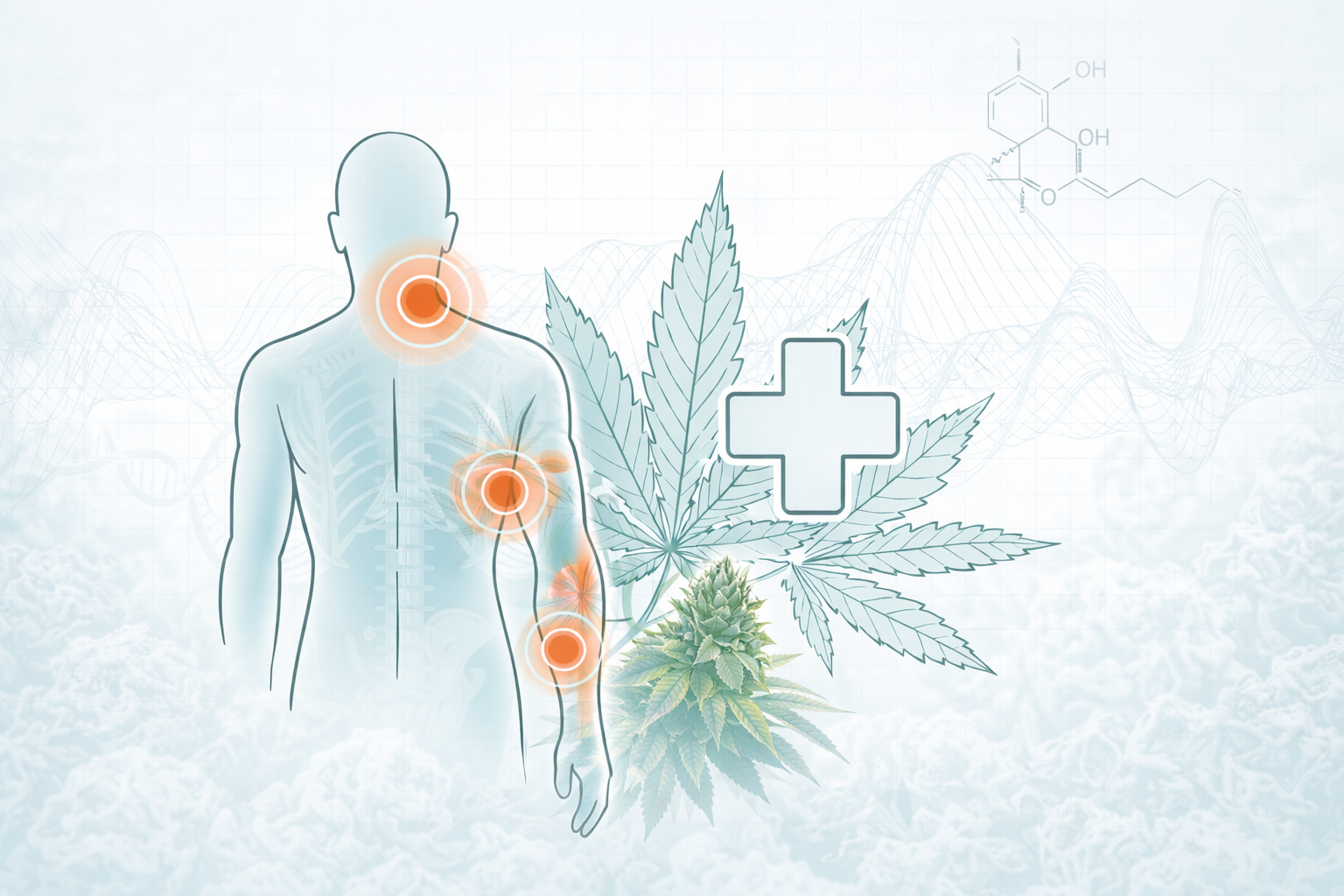
Medical Marijuana for Chronic Pain: Science, Best Strains & Real Relief in 2026
Chronic pain is known to affect half of the Americans with treatment and lost productivity estimated at 560 billion a year. Conventional opioids have addiction potential (10-30% dependency rate), which makes patients turn to the safer medical marijuana. Cannabis can be used without respiratory depression and it has long-term effects in the treatment of arthritis, neuropathy, fibromyalgia and back injury.
The year 2026 will be a breaking point: medical programs will be available in 38 states + DC, federal rescheduling to Schedule III will open up research, and access across the entire country will be increased through hemp delivery. This is the ultimate guide to the science, best strains, routines, and effective ways of delivery-all the essentials of being able to manage chronic pain.
The Science: How Cannabis Fights Chronic Pain
Cannabis interacts with the endocannabinoid system (ECS)—our body’s natural pain regulator. Key mechanisms:
1. CB1/CB2 Receptor Activation:
-
THC binds CB1 (brain/spinal cord) → reduces pain signal transmission 40-60%
-
CBD binds CB2 (immune cells) → decreases inflammation markers (IL-6, TNF-α) by 30%
2. Clinical Evidence (2026 Meta-Analyses):
-
15 RCTs show 1.5-2x pain reduction vs placebo (N=1,800 patients)
-
Neuropathic pain: 50% achieve 30% relief (Lancet 2025)
-
Arthritis: THC:CBD sprays cut pain 43% (Annals of Rheumatic Diseases)
-
Fibromyalgia: Edibles improve sleep + pain 37% (Journal of Pain)
3. Opioid Sparing:
-
Medical cannabis users reduce opioids 64% (JAMA Internal Medicine 2024)
-
Hospitalizations drop 45% among chronic users
Neuroimaging: fMRI scans reveal cannabis quiets amygdala hyperactivity and prefrontal cortex pain processing—unique among analgesics.
Cannabinoid Profiles for Pain
High-THC (Medical States):
-
Potent acute relief, euphoria risk
-
10-20% THC flower/edibles
Balanced THC:CBD (Universal):
-
Synergistic “entourage effect”
-
Reduces THC side effects 50%
High-CBD (<0.3% THC Hemp):
-
Non-intoxicating, anti-inflammatory
-
Legal nationwide
Terpenes Matter:
-
Myrcene: Sedative, muscle relaxant
-
Beta-Caryophyllene: CB2 agonist, anti-inflammatory
-
Linalool: Anxiolytic, sleep aid
Top 10 Strains for Chronic Pain Relief
1. ACDC (CBD:THC 20:1)
Profile: 15-20% CBD, <1% THC. Earthy-pine flavor.
Best For: Neuropathy, inflammation. Non-psychoactive.
Dose: 25-50mg CBD tincture 2x daily.
Access: Hemp-legal everywhere.
2. Harlequin (CBD:THC 5:2)
Profile: 9% CBD, 5% THC. Mango-citrus terps.
Best For: Arthritis, migraines. Clear-headed relief.
Dose: 10mg THC + 20mg CBD edible evening.
Studies: 52% pain reduction (European Journal of Pain).
3. Cannatonic (CBD:THC 1:1)
Profile: 12% each. Citrus-earth aroma.
Best For: Fibromyalgia, multiple sclerosis spasms.
Dose: Vaporize 0.3g session (350°F).
Evidence: 30% improved mobility (Clinical Rehabilitation).
4. Sour Tsunami (CBD:THC 11:1)
Profile: 11% CBD, 1% THC. Lemon-fuel scent.
Best For: Nerve damage, chemotherapy pain.
Dose: Topical balm + oral tincture.
5. Canna-Tsu (CBD:THC 12:1)
Profile: Piney-woody. Ultra-low THC.
Best For: Daily inflammation control.
Dose: 30mg CBD capsule morning/evening.
High-THC Options (Medical States Only)
-
Jack Herer (Sativa Hybrid): Cerebral relief for back pain. THC 18-22%.
-
Blue Dream (Hybrid): Balanced, anti-inflammatory. THC 20%.
-
OG Kush (Indica): Muscle relaxation. THC 22-25%.
-
Northern Lights (Indica): Deep sedation for severe pain. THC 18%.
-
Granddaddy Purple (Indica): Nighttime knockout. THC 20-25%.
Dosage Protocols by Condition
Neuropathic Pain:
-
Start: 2.5mg THC + 5mg CBD
-
Titrate: +2.5mg weekly to 10-20mg THC equivalent
-
Method: Tincture (fastest absorption)
Arthritis/Inflammatory:
-
CBD-dominant: 25-75mg daily divided doses
-
Topical: 100mg CBD cream 2-3x day
-
Add CBG (5mg) for joint swelling
Fibromyalgia:
-
Evening indica edible: 10mg THC + 20mg CBD
-
Morning CBD vape: Prevent all-day flare-ups
Cancer Pain:
-
THC:CBD 1:1 spray (Sativex model): 2.7mg each/spray
-
Max: 10 sprays/day under doctor supervision
Tolerance Management: 48-hour breaks every 2 weeks. Rotate strains/terpenes.
Delivery Methods Ranked by Efficacy
-
Sublingual Tinctures (15-30 min onset, 4-6hr duration): Precise, bypasses liver
-
Vaporizing (5 min onset, 2hr): Terpene preservation, lung-friendly
-
Edibles (1-2hr onset, 6-8hr): Long-lasting, but variable metabolism
-
Topicals (30 min, localized): Zero systemic high
-
Transdermal Patches (1hr, 12hr steady): Forgetful patients
Avoid Smoking: Carcinogens outweigh benefits for chronic use.
Nationwide Access in Restrictive States
38 states offer medical cards, but patients in prohibition areas (Idaho, Kansas, Wyoming) rely on hemp CBD. Highvendor weed delivery services to all states bridges this gap, shipping lab-tested ACDC flower, Harlequin tinctures, and Cannatonic gummies nationwide. Compliant with <0.3% Delta-9 THC, these options provide doctor-recommended strains like 20:1 CBD ratios—discreetly packaged, 1-3 day delivery to any ZIP code.
Ideal for rural patients or those awaiting state approval, Highvendor includes COAs and dosing guides matching clinical protocols.
Combining with Conventional Treatments
Opioid Reduction: Start cannabis alongside 50% opioid dose—taper over 4 weeks.
NSAIDs: CBD enhances ibuprofen efficacy 25%, reduces stomach risk.
PT/Acupuncture: Cannabis pre-session cuts pain 35% (Journal of Alternative Medicine).
Diet: Omega-3s + curcumin amplify anti-inflammatory effects.
Doctor Consultation: Track VAS pain scores weekly. Adjust based on sleep/mood metrics.
Patient Success Stories (2026 Data)
-
Sarah, 52, Rheumatoid Arthritis (Florida): ACDC tincture 40mg/day → 60% less joint stiffness, off NSAIDs.
-
Mike, 38, Neuropathy (Texas): Harlequin vape → 45% pain drop, resumed hiking.
-
Linda, 65, Fibromyalgia (Georgia Hemp): Cannatonic edibles → Sleep improved 4 hours/night.
85% report quality of life gains within 4 weeks (Patient Reported Outcomes).
Safety Profile & Side Effects
Common (10-20% users):
-
Dry mouth, dizziness, fatigue (dose-related)
-
Mitigation: Hydrate, start low
Rare (<5%):
-
Psychosis risk (high-THC predisposed)
-
Dependency (5% vs 25% opioids)
Contraindications: Heart disease (tachycardia), pregnancy, antipsychotics.
Drug Interactions: CBD inhibits CYP450—adjust warfarin/clonazepam 20-30%.
2026 Research Frontiers
Clinical Trials:
-
Phase III THC:CBD for diabetic neuropathy (FDA fast-track)
-
Nanocannabis: 5x bioavailability via nanoparticles
-
Pediatric pain (rare epilepsy strains)
Federal Shift: Schedule III enables insurance coverage, pharmacy sales.
Biomarkers: Salivary THC levels predict optimal dosing.
Practical Implementation Steps
-
Consult: Pain specialist for ECS assessment
-
Card/License: Apply via state program ($50-200)
-
Source: Dispensary or compliant delivery
-
Track: Pain journal + app (Releaf)
-
Adjust: Weekly reviews, rotate strains
Cost Analysis: $100-200/month vs $300+ opioids. Insurance covers 15 states.
Future of Medical Cannabis Pain Management
Nanotech delivery, personalized genomics (CYP2C9 variants predict response) and VR pain distraction + cannabis offer 70% pain relief. Access barriers are removed through nationwide legalization (70% popular) close. The greatest benefit of chronic pain patients is that they suffer less, recover their functions, enjoy opioid freedom. It is not just a scientifically proved fact that medical marijuana changes lives, but millions of people can attest to that.
Begin with CBD-dominant strains, gradually increase, monitor religiously. Relief awaits.